Skip to content




Building custom applications with WordPress: SimplyLearn’s approach and industry insights
At SimplyLearn, we’ve built a custom e-learning solution that combines the flexibility of WordPress with the power of a React-based backend. While WordPress serves as a widely known and versatile tool for managing front-end content, our own React application is responsible for the critical functionality of course creation, maintenance, publishing, and the underlying infrastructure. This hybrid approach ensures that we retain full control over the core processes that make our
Published 24 September 2024


Our approach is not uncommon, especially as more companies see the value in separating their front-end experience from the complex business logic that runs behind the scenes. Many organizations, from e-learning platforms like us at SimplyLearn to major companies in media, SaaS, healthcare, and more, are leveraging WordPress in similar ways. They use it to handle front-end management while building custom back ends tailored to their specific needs.
Why WordPress and custom applications?
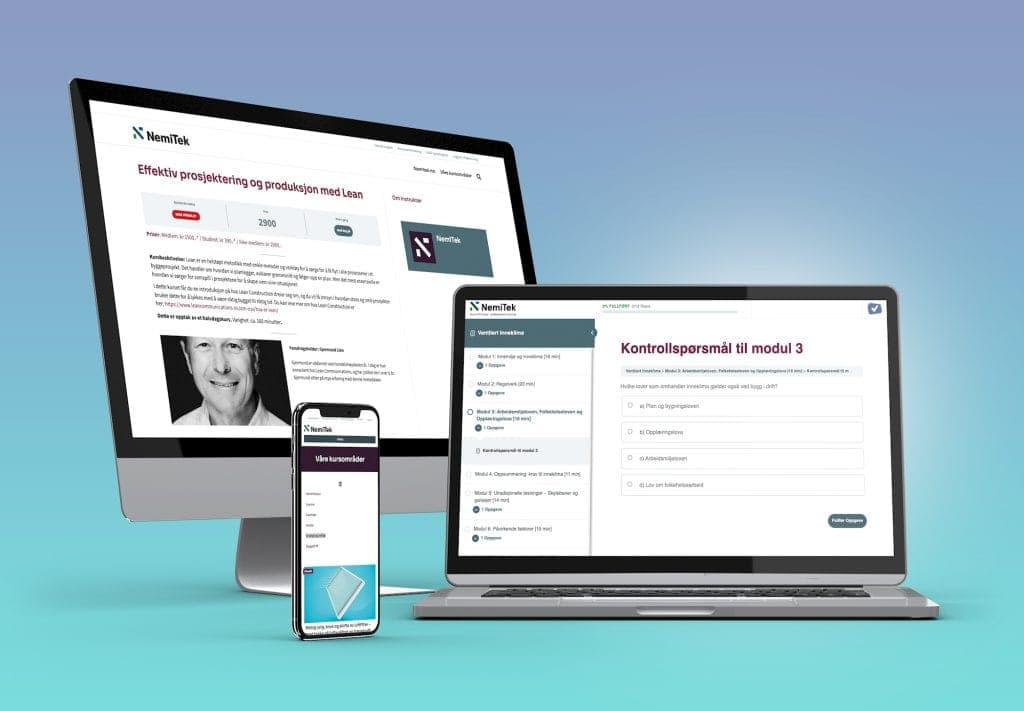
For SimplyLearn, WordPress and the LearnDash plugin acts as a flexible platform for our customers to present their courses, while the React-based backend gives us complete control over how the system operates. Implement what all secure platforms should: a clear separation between backend course management and frontend course publication. This approach allows users to leverage WordPress’ powerful SEO tools, LearnDash’s robust frontend capabilities, and the wide array of compatible themes, while benefiting from a more intuitive interface for course creation and content management. By keeping the course creation, publishing, and management infrastructure under our control, we ensure it is optimized to meet the specific needs of our platform and deliver a seamless user experience.
This type of hybrid approach is increasingly being adopted across industries for several reasons:
– Scalability: Companies can quickly scale their content and user interfaces with WordPress, while maintaining full control of the custom backend that handles complex operations.
– Separation of concerns: Front-end design and content delivery are kept distinct from the business logic, which allows for faster updates and less dependency between teams.
– Flexibility and control: Organizations can maintain complete control over their core functionalities while leveraging WordPress for front-end flexibility and ease of use.
How major companies leverage this approach
This isn’t a strategy unique to SimplyLearn. Several high-profile companies follow the same model—using WordPress for the front end and pairing it with a custom-built backend for handling the heavier, more complex aspects of their operations. Here are a few notable examples:
Oliver POS: Retail and E-commerce Solutions
Oliver POS, a Danish-based company, uses WordPress for the front end while integrating a custom backend application to manage their core functionalities for point-of-sale solutions in retail. This enables them to offer seamless integration between their e-commerce platforms and physical stores, allowing businesses to have a single interface for product management while still leveraging the flexibility of WordPress for front-end presentation and content updates.
The New York Times: Media and Publishing
The New York Times employs a sophisticated backend system for managing subscriptions, advertising, and content delivery, but continues to use WordPress for front-end content management. This allows their editorial team to easily publish articles and multimedia content, while their custom system takes care of high-traffic demands, personalized content, and subscription management. Like us at SimplyLearn, they separate content management from core business logic, giving them the flexibility to deliver rich content experiences while controlling everything behind the scenes.
Salesforce: SaaS and Marketing
Salesforce, a leader in CRM software, uses their own backend for managing customer data and business logic, but leverages WordPress to manage the front-end experience for their marketing websites and blogs. This is similar to our approach, where we have full control over course management while WordPress simplifies content presentation.
Zocdoc: Healthcare Platforms
Zocdoc, a platform for booking healthcare appointments, handles its complex appointment systems, patient data, and provider information on a custom backend. However, they use WordPress for the front-end to manage educational materials, blogs, and patient forms, much like we use WordPress to manage the presentation of our courses while our backend does the heavy lifting. They use custom-built systems to manage their core services. Any potential content sections like blogs or resources could technically use WordPress, but their core site is a proprietary build.
Glassdoor: Job Boards
Glassdoor’s job listings and employer review system rely on a custom backend. But for managing their blogs, career advice, and other content, they turn to WordPress. This hybrid setup allows them to focus on optimizing their core features—job listings and user reviews—while still having a flexible front-end system to manage SEO and content. Glassdoor’s main platform (job postings, employer reviews, etc.) is also a custom build. There’s no indication that WordPress is used for any of their core functionalities, but smaller sections, such as their blog, could be using WordPress for content management.
• Website: https://www.glassdoor.com
A Growing Trend Across Industries
From media and education to SaaS and healthcare, more companies are realizing the advantages of combining a custom backend with WordPress as the front-end. This model allows businesses to:
- Streamline Content Management: WordPress provides a familiar, easy-to-use interface for non-technical users to manage content, meaning updates can happen faster and without developer intervention.
- Focus Development on Core Features: By letting WordPress handle the front end, companies can focus their development resources on building powerful, custom back-end applications that directly impact their business needs.
- Leverage WordPress Plugins: Even with custom back ends, companies can still use WordPress plugins to enhance SEO, analytics, and performance, adding even more value to this combination.
Conclusion
At SimplyLearn, our decision to pair a custom React-based backend with WordPress for the front end reflects a broader trend in the tech world. By separating content management from the critical functions of course creation and management, we maintain full control over the core aspects of our business while providing a flexible, user-friendly interface for our customers. This approach is mirrored by companies like The New York Times, Salesforce, Zocdoc, Glassdoor, and Oliver POS, all of whom are leveraging WordPress for front-end management while custom systems drive their core functionality.
As more companies explore this model, it’s clear that building custom applications while using WordPress for content delivery is not just a good idea—it’s a strategy that empowers businesses to scale, stay flexible, and focus on what they do best.
Hear the podcast’s review of this approach
Book a free demo today and let us discover how we can serve your company.